Shopify conversion optimisation.
Make every visit count.
Turn more of your existing Shopify traffic into customers with evidence-led UX improvements, faster journeys and a store experience built around confident buying decisions.

A FEW BRANDS WE’VE BUILT WITH







Shopify conversion rate optimisation.
What are we improving?
Shopify CRO is the process of finding what makes buying harder, deciding what to change and checking whether the change helps. It connects the promise that brought someone to your store with the experience they find there.
A visitor may like a product but still leave because sizing is unclear, delivery information is difficult to find or the mobile variant selector is awkward. A useful review follows that buying decision through the storefront, rather than judging each page on appearance alone.
PRIKTON combines Shopify design and development with an agreed measurement plan. Start with the part of the journey that needs attention; a full redesign is only one possible route.


More visits?
Start with the journey.
If customers struggle to find a product, understand the offer or feel ready to buy, more traffic brings more people to the same friction. We look at the moments between landing and checkout, then make the next step clearer.
See the stores behind the detailsSmall moments.
A connected experience.
Conversion audit
Review storefront journeys, analytics signals and customer behaviour to identify the highest-impact friction.
Product-page clarity
Sharper hierarchy, clearer information, trust signals and buying controls for confident decisions.
Cart & checkout
Remove avoidable hesitation, surprise and distraction from add-to-cart through checkout completion.
Mobile experience
Improve navigation, product discovery, readability and purchase flows on the devices customers use most.
Speed & usability
Reduce front-end weight and delays that interrupt browsing and weaken confidence.
Testing & measurement
Rank changes by evidence and measure meaningful outcomes instead of relying on guesswork.
From the landing page
to the last buying decision.
On a smaller screen, scroll sideways to compare every column.
| Store area | Questions we investigate | Possible next step |
|---|---|---|
| Homepage and campaign landing pages | Does the page match the advert, search result or email that brought the visitor here? Is the product offer easy to understand? | Refine the opening message and give different shoppers a clear route to relevant products. |
| Collections, navigation and search | Can shoppers narrow the catalogue using the attributes that matter to them? Can they recover from an empty search? | Review filters, collection organisation, menu labels and search journeys. |
| Product detail pages | Can someone choose the right variant, judge the product and find delivery or returns information before adding it to the cart? | Improve the information order, product media, variant controls and placement of supporting details. |
| Cart and checkout handoff | Is the order easy to check and edit? Are discounts, delivery expectations and the next step clear? | Review the cart drawer, cart page and available checkout settings within your Shopify plan. |
| Mobile and storefront performance | Are key controls readable and usable? Do loading delays or moving elements interrupt the journey? | Prioritise the affected templates, media, scripts and interaction problems. |
These are review areas, not a promise to change every template. We agree the pages, devices and tasks included before starting.
Find it. Improve it.
Learn what changed.
- 01
Understand the business.
We learn what you sell, who buys it, where traffic comes from and what a successful improvement should achieve.
- 02
Audit the journey.
We look for confusion, hesitation, distraction and unnecessary effort across the key shopping paths.
- 03
Prioritise the opportunities.
Recommendations are ranked by likely impact, confidence and implementation effort.
- 04
Design & develop.
Approved opportunities become practical UX, content and theme changes, tested across relevant devices.
- 05
Measure & keep learning.
We review the performance signals and build the next improvement cycle around evidence.
A Shopify CRO audit
you can act on.

An annotated list of findings
See the affected page, what a shopper encounters and why it may cause hesitation. We separate observed problems from ideas that still need validation.
A prioritised improvement backlog
Each recommendation includes a suggested next step. Customer impact, the strength of the evidence and the effort involved help decide what belongs near the top.
A measurement starting point
Where access and tracking allow, we record relevant funnel and device data. Tracking gaps are listed so that missing events are not mistaken for customer behaviour.
A walkthrough and implementation choices
The audit package includes an action plan and walkthrough. Choose which items your own team will handle and which need a separate PRIKTON implementation scope.
A few stores we’ve brought to life.
A little personality. A thoughtful shopping experience. Plenty of details worth a closer look.
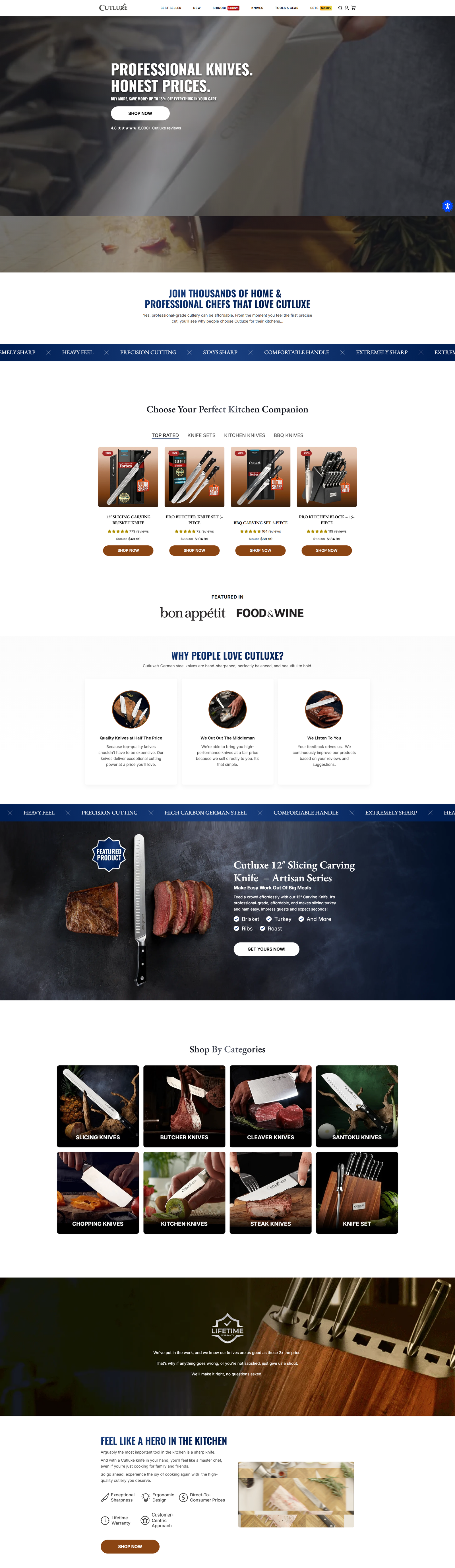

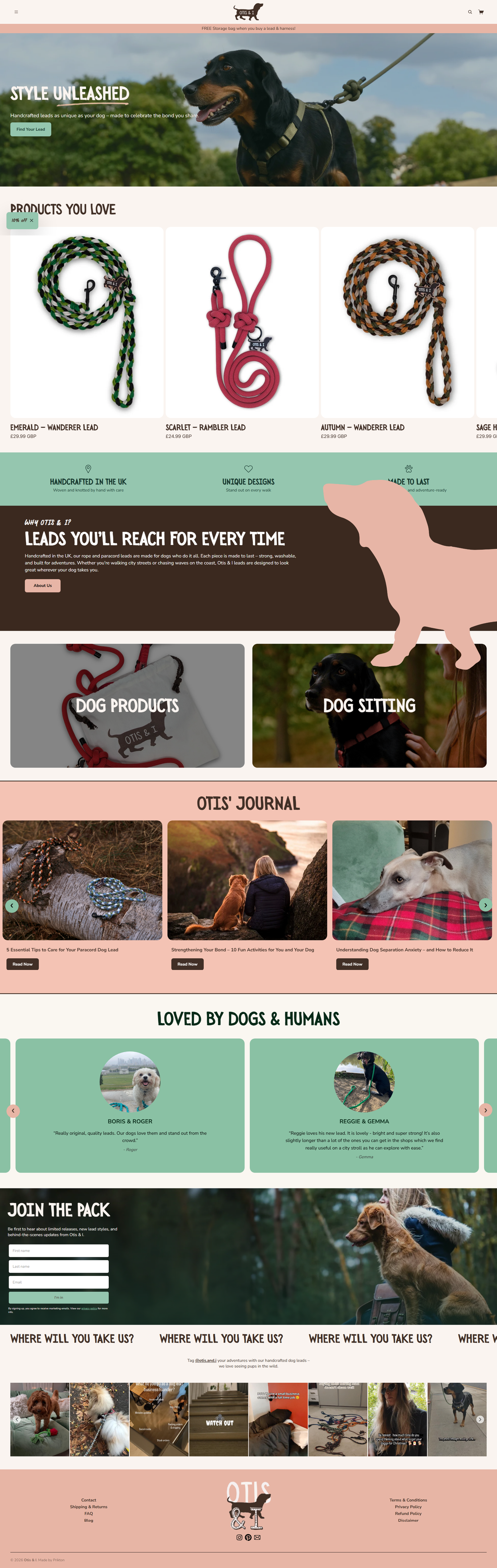
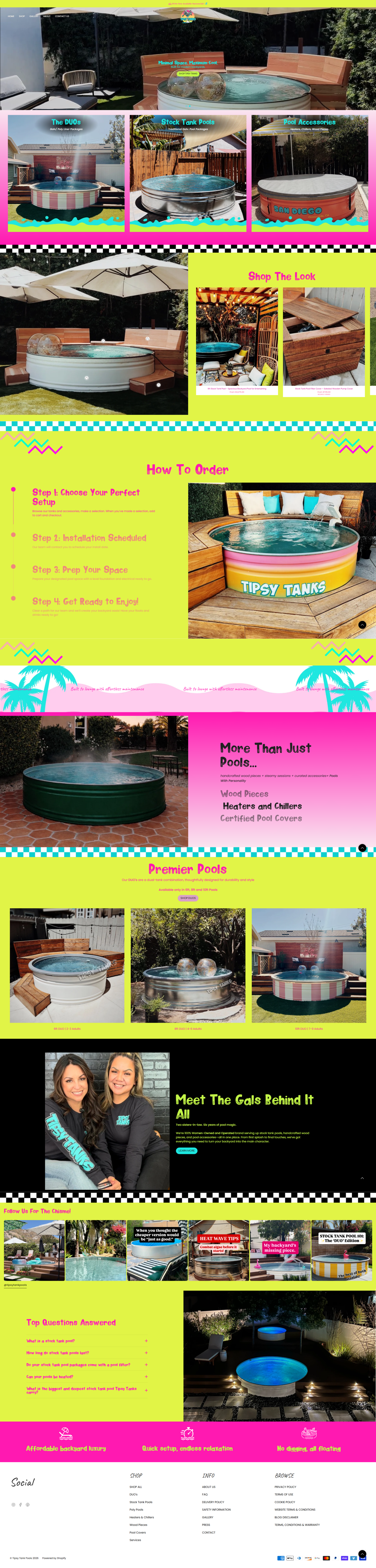
Not every store needs
the same testing plan.
Before proposing an A/B test, we look at the traffic and conversion volume available on the pages involved. We also agree the outcome to measure and the size of change the test should be able to detect. There is no single monthly traffic number that makes every test suitable.
Enough data for a controlled test
Where feasible and included in scope, compare an existing experience with a proposed version. Define the hypothesis, primary metric and stop criteria before launch, then check that the test is implemented correctly.
A lower-traffic store
Start with observable usability issues, customer questions and the data you already have. A broken control can be fixed without waiting for a split test. Track the release and review the outcome without presenting a before-and-after change as proof of causation.
Behaviour tools, used with care
Heatmaps, recordings and customer feedback can add context where suitable access and consent arrangements are in place. Tool setup, subscriptions and any additional research are agreed separately.
The same product.
A clearer way to shop.
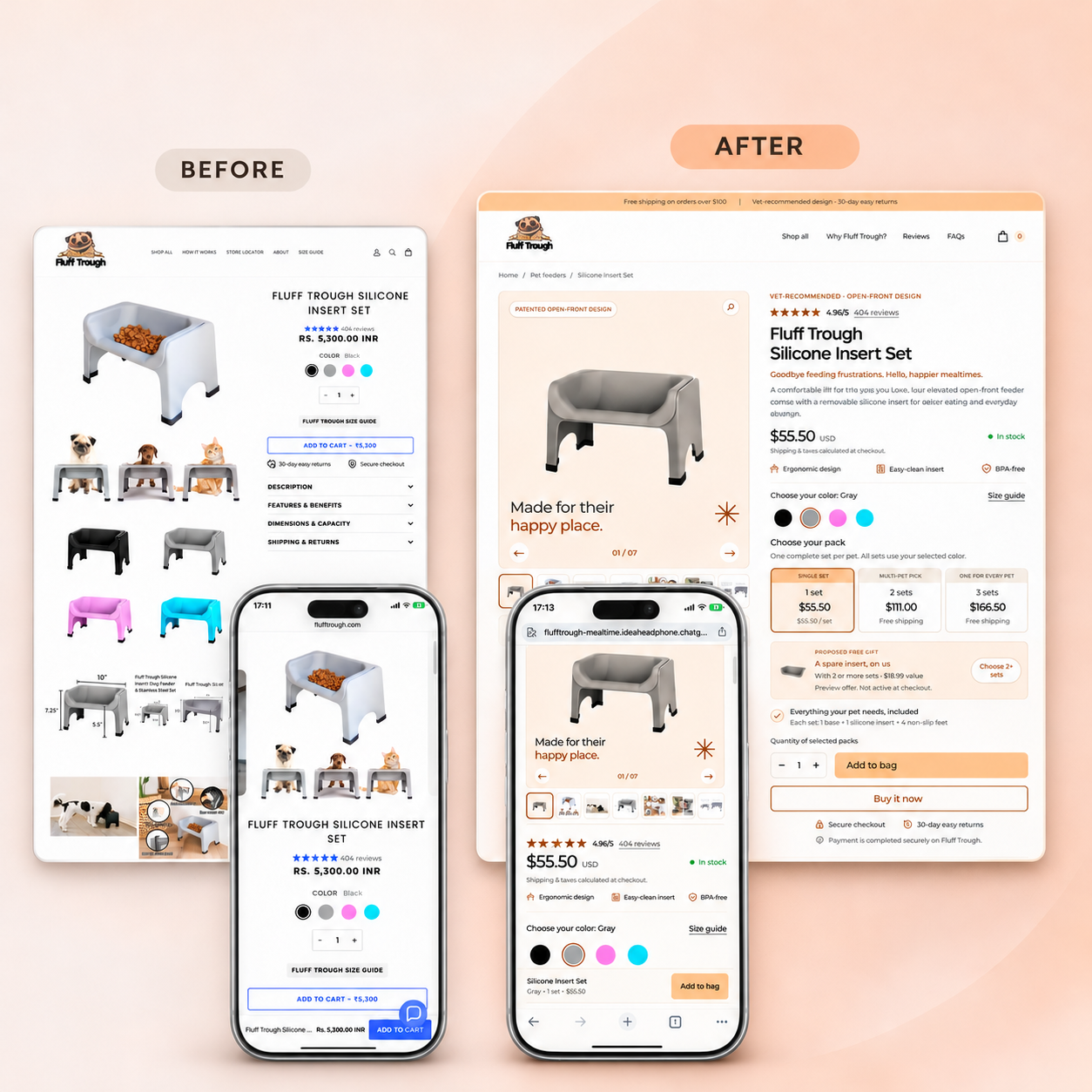
Use a side-by-side view to show how a page has changed: the information shoppers see first, how they select an option and where the next action appears. The design comparison shows the changes; performance data is needed to judge their effect.
Before

After

A focused audit.
Then useful progress.
Most engagements open with a two-to-three-week audit, followed by improvement cycles of roughly four to six weeks each, depending on the store and agreed scope.
You receive a clear proposal covering the audit, implementation priorities, measurement approach and fees before work begins.
More than one number.
A clearer picture of progress.
On a smaller screen, scroll sideways to compare every column.
| Measure | What it helps us understand | What we check alongside it |
|---|---|---|
| Store conversion rate | The share of sessions that turn into a purchase, using the agreed reporting definition. | Traffic source, device, new versus returning visitors and promotions. |
| Add-to-cart and checkout progression | Where shoppers stop between viewing products, adding items and beginning checkout. | Event accuracy, product availability and changes to the steps in the journey. |
| Average order value | How much customers spend per order within the reporting period. | Discounts, product mix and margin; a bigger basket does not always mean more profit. |
| Revenue per session | How the value of traffic changes alongside purchase frequency and order value. | Acquisition mix, refunds where available and the same measurement source over time. |
| Test and release results | Whether an agreed change met the chosen success criteria. | Sample size, uncertainty, test duration and other changes running at the same time. |
An inconclusive test is a reason to review the evidence, not label the variation a winner. Reporting should say what changed, what we can infer and what remains uncertain.
A clear starting point.
Room to keep improving.
Start with an audit, put a focused set of improvements into action, or build an ongoing optimisation rhythm.
Conversion audit
A focused review and a practical plan for your next move.
- Key storefront journey review
- Mobile, product-page and cart checks
- Analytics review where available
- Prioritised action plan and walkthrough
Recommendations only. Implementation is scoped separately.
Start with an auditOptimisation sprint
Turn a defined set of opportunities into useful storefront changes.
- Review and agree the sprint priorities
- UX and content refinements
- Theme implementation for agreed tasks
- Responsive checks and handover
A fixed task list and schedule are agreed before the sprint.
Plan my sprintOngoing optimisation
Regular improvement cycles shaped around your store’s priorities.
- A rolling improvement roadmap
- Monthly design and development cycle
- Measurement against the agreed baseline
- Progress review and next-step planning
Monthly deliverables and testing needs are agreed in your proposal.
Discuss ongoing CROScope, availability and any third-party costs are confirmed before work begins. No payment is collected here. Specific conversion or revenue increases are not guaranteed. Outcomes depend on your traffic, offer and wider business.
An audit, a sprint
or a wider redesign?
Find the problem first
Choose the conversion audit if you see drop-offs but do not yet have a reliable task list. The audit is recommendations and a walkthrough; building the changes is a separate decision.
Improve a defined part of the store
Choose an optimisation sprint when the priorities are already clear. Agree the templates, UX changes and implementation work before the sprint. Continued releases can be discussed through Shopify maintenance and support.
Rework the storefront
If the brand, catalogue and shopping structure need a larger change, review our Shopify website design service. A redesign and a controlled experiment answer different questions; we will agree how to review the new experience.
A few things you might be wondering.
Do you only provide an audit?
No. The audit is the starting point. We also design and build approved changes inside your Shopify theme, then review what changed.
Can you guarantee an increase in sales?
No specific uplift is guaranteed. Traffic quality, pricing, your offer, seasonality and other factors affect outcomes. We focus on evidence-led improvements and clear measurement.
Will you need to change my theme?
Some improvements require theme changes. These are planned and tested carefully, with maintainability and unnecessary code weight in mind.
What should I share first?
Your store URL, the problems you have noticed and the goals you want to work towards. Analytics access can be arranged after scope is agreed.
What is the difference between Shopify CRO and a redesign?
CRO starts with a buying problem and a way to evaluate a change. A redesign addresses the broader storefront design and structure. A CRO review may lead to a small adjustment, a new template or a wider redesign, depending on the evidence.
Can you help a Shopify store with low traffic?
Yes. We can review usability, product information and buying controls, then scope practical changes. Low traffic may limit controlled testing, so we agree what can be measured without overstating the certainty of the result.
Do your CRO packages include A/B testing?
Not automatically. The listed packages describe the starting scope. A/B test design, setup, tool costs and reporting must be agreed in the proposal. Suitability depends on traffic, purchase volume and the question being tested.
How long does Shopify conversion optimisation take?
The initial audit usually follows the two-to-three-week scope described above. Implementation and improvement cycles depend on the agreed task list. A controlled test may need longer to collect enough data, so an implementation date is not a guaranteed results date.
How much do PRIKTON’s CRO services cost?
The example packages on this page start at $350 USD for a conversion audit, $750 USD per optimisation sprint and $900 USD per month for ongoing optimisation. Final scope and third-party costs are confirmed before work begins.
Can you optimise Shopify checkout on every plan?
We review the checkout journey, but what can be changed depends on your Shopify plan and supported features. We confirm the available options before promising custom checkout work.
Will you use my existing Shopify theme?
Where practical, yes. Many improvements can be made within an existing theme. We review the code, apps and maintainability before recommending a larger change or replacement.
Will CRO increase my Google rankings?
CRO focuses on helping visitors use your store and complete purchases. Clearer pages and better usability can support a wider site improvement plan, but CRO work does not guarantee search rankings. SEO needs its own goals and measurement.
Your brand stays recognisable.
The work has a clear brief.
Bring the business context
Share your store URL, key products, buying objections and goals. Tell us about upcoming promotions, stock constraints or pricing changes so recommendations fit the business.
Agree access and responsibilities
Shopify collaborator permissions, analytics and any behaviour tools are arranged around the scope. We confirm who approves designs, supplies product content and authorises publication.
Keep related teams informed
SEO and paid media bring people to the store; CRO focuses on what happens after they arrive. Coordinate changes to campaigns, page URLs and tracking so the work does not lose context.
Review the next step together
Record approved changes, how they were checked and what should be measured next. See PRIKTON’s Shopify projects for examples of our design and development work; these are not promises of a particular conversion uplift.
A smoother journey.
A clearer next step.
Tell us where your store is today and where you want to take it. We’ll help you find a practical next step.
Start a conversation